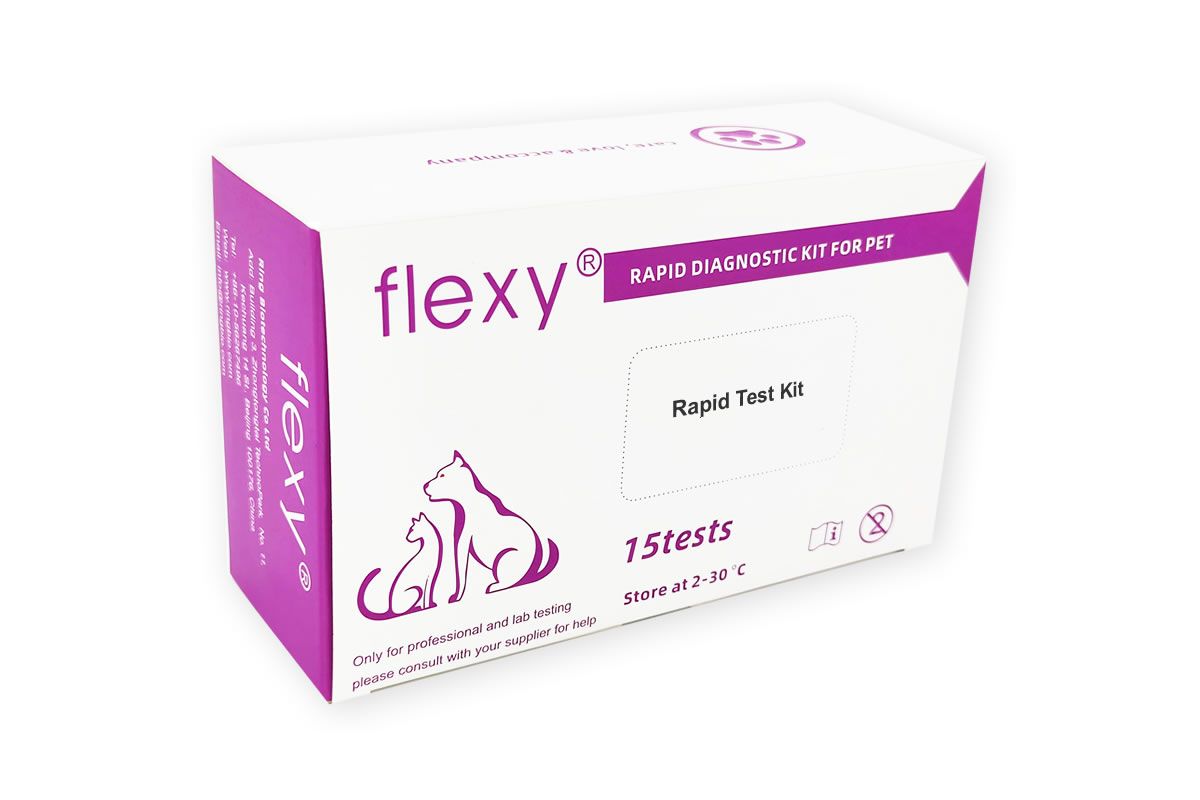
Feline Panleukopenia virus / Feline Parvovirus Real-time PCR test, FPV qPCR Test
Feline Panleukopenia virus / Feline Parvovirus Real-time PCR test kit is to detect FPV in cat feces. which is rapid, accurate and easy-to-operate. Sensitivity 100%, Specificity 100%. This product is registered with China Ministry of Agriculture and Rural Affairs.
Basic information
Feline panleukopenia (FP) is a highly contagious viral disease of cats caused by the feline parvovirus, thus feline parvovirus is also known as feline panleukopenia virus. Kittens are most severely affected by the virus. The names feline distemper and feline parvo should not be confused with canine distemper or canine parvo— although their names are similar, they are caused by different viruses. The viruses do not infect people. The feline parvovirus infects and kills cells that are rapidly growing and dividing, such as those in the bone marrow, intestines, and the developing fetus.
Key facts of the Feline Panleukopenia virus / Feline Parvovirus Real-time PCR test kit
- Ready to use kits for the vet clinic
- No extraction required
- Result in 30min.
Feline Panleukopenia virus / Feline Parvovirus Real-time PCR test kit Components
| Item # | Item | Qty |
|---|---|---|
| 1 | PCR reaction solution | 120ul |
| 2 | Negative Control | 50ul |
| 3 | Positive Control | 50ul |
| 4 | Exogenous Gene Control | 50ul |
| 5 | Sample buffer | 1ml |
| 6 | Enzyme mix | 10ul |
| 7 | Kit user manual | 1set |
What is feline panleukopenia?
Feline panleukopenia (FP) is a highly contagious viral disease of cats caused by the feline parvovirus. Kittens are most severely affected by the virus. The names feline distemper and feline parvo should not be confused with canine distemper or canine parvo— although their names are similar, they are caused by different viruses. The viruses do not infect people.
The feline parvovirus infects and kills cells that are rapidly growing and dividing, such as those in the bone marrow, intestines, and the developing fetus.
Which cats are susceptible to FP?
Because the FP virus is everywhere in the environment, virtually all kittens and cats are exposed to the virus at some point in their lives. While cats of any age may be infected with the feline parvovirus that causes FP, young kittens, sick cats, and unvaccinated cats are most susceptible. It is most commonly seen in cats 3-5 months of age; death from FP is more common at this age.
The virus has appeared in all parts of the United States and most countries of the world. Kennels, pet shops, animal shelters, unvaccinated feral cat colonies, and other areas where groups of cats are housed together appear to be the main reservoirs of FP. During the warm months, urban areas are likely to see outbreaks of FP because cats are more likely to come in contact with other cats.
How do cats become infected?
Cats can shed the virus in their urine, stool, and nasal secretions; infection occurs when susceptible cats come in contact with these secretions, or even the fleas from infected cats. An infected cat tends to shed the virus for a relatively short period of time (1-2 days), but the virus can survive for up to a year in the environment, so cats may become infected without ever coming into direct contact with an infected cat. Bedding, cages, food dishes, and the hands or clothing of people who handle the infected cat may harbor the virus and transmit it to other cats. It is, therefore, very important to isolate infected cats. Any materials used on or for infected cats should not be used or allowed to come in contact with other cats, and people handling infected cats should practice proper hygiene to prevent spreading the infection.
The virus that causes FP is difficult to destroy and resistant to many disinfectants. Ideally, unvaccinated cats should not be allowed into an area where an infected cat has been — even if the area has been disinfected.
How is FP diagnosed?
The signs of FP can vary and may be similar to other illnesses such as Salmonella or Campylobacter infection, pancreatitis, feline immunodeficiency virus (FIV) infection, or feline leukemia virus (FeLV) infection. Infected cats may even show signs that resemble those seen when a cat has been poisoned or has swallowed a foreign object.
The FP virus causes damage to the cells that line the intestines. It also attacks the bone marrow and lymph nodes, resulting in shortages of all types of white blood cells (panleukopenia) and of red blood cells (anemia). The first visible signs an owner might notice include generalized depression, loss of appetite, high fever, lethargy, vomiting, severe diarrhea, nasal discharge, and dehydration. Sick cats may sit for long periods of time in front of their water bowls but not drink much water. In some cats, the fever will come and go during the illness and abruptly fall to lower-than-normal levels shortly before death. In young kittens, the virus can also damage the brain and the eyes.
Pregnant female cats that are infected with the virus and become ill (even if they do not appear seriously ill) may abort or give birth to kittens with severe damage to the cerebellum, a part of the brain that coordinates nerves, muscles and bones to produce body movements. These kittens are born with a syndrome called feline cerebellar ataxia, and their movement is accompanied by severe tremors (shaking).
Feline panleukopenia may be suspected based on a history of exposure to an infected cat, lack of vaccination, and the visible signs of illness. When that history of exposure is combined with blood tests that show severely reduced levels of all white blood cell types, FP is likely the cause of the cat’s illness. FP is confirmed when the feline parvovirus is found in the cat’s stool, but the results might be falsely positive if the cat was vaccinated for FP within 5-12 days prior to the test.
Feline Parvovirus Real-time PCR test is good choice for the determination of FP infection.
Extended reading
- American veterinary medical association, Feline panleukopenia.
- MSD Vet manual, Feline panleukopenia.
Frequently asked questions
Unlike the other manufacturer of research reagents, our products are well validated according to ISO standards and are designed for diagnostic purpose. Some of them are also validated by International Institute, such as AOAC-RI, ILVO, WOAH reference laboratories. Using our products, you will have reliability, affordability, and credibility. Our technical support team will also provide after-sale service in case you have any technical questions.